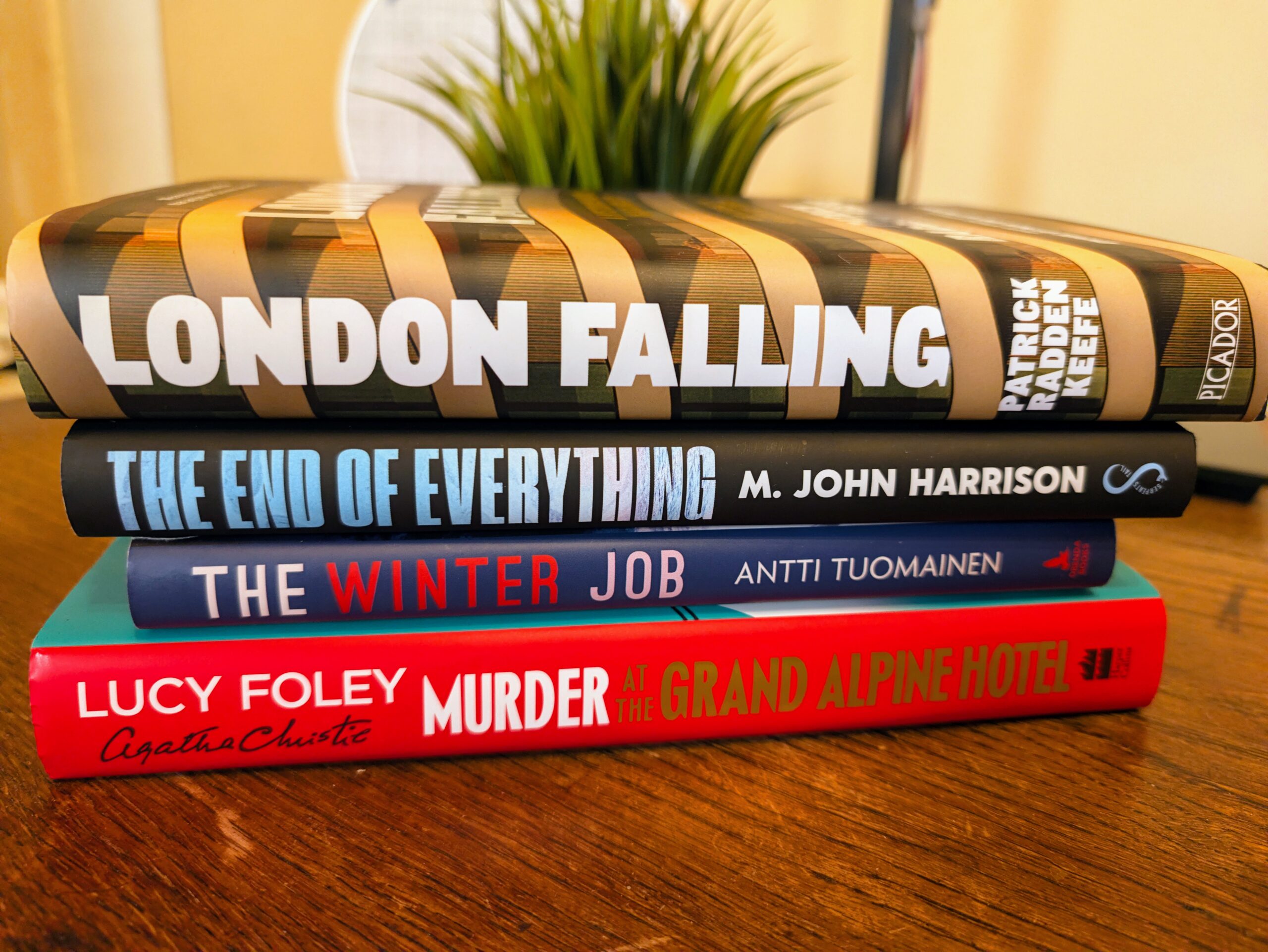
Sometimes you read books in the wrong order. In my last piece about what I’ve been reading, I mentioned that I’d read Ian Rankin’s new book, The Heights set in a new build high-rise in London full of rich individuals, where a murder needs solving. In Patrick Radden Keefe’s extraordinary new book, London Falling, we learn about Zac, a youthful Londoner who had a priviliged upbringing in a nice but ordinary surroundings. Yet he was found dead in the Thames.
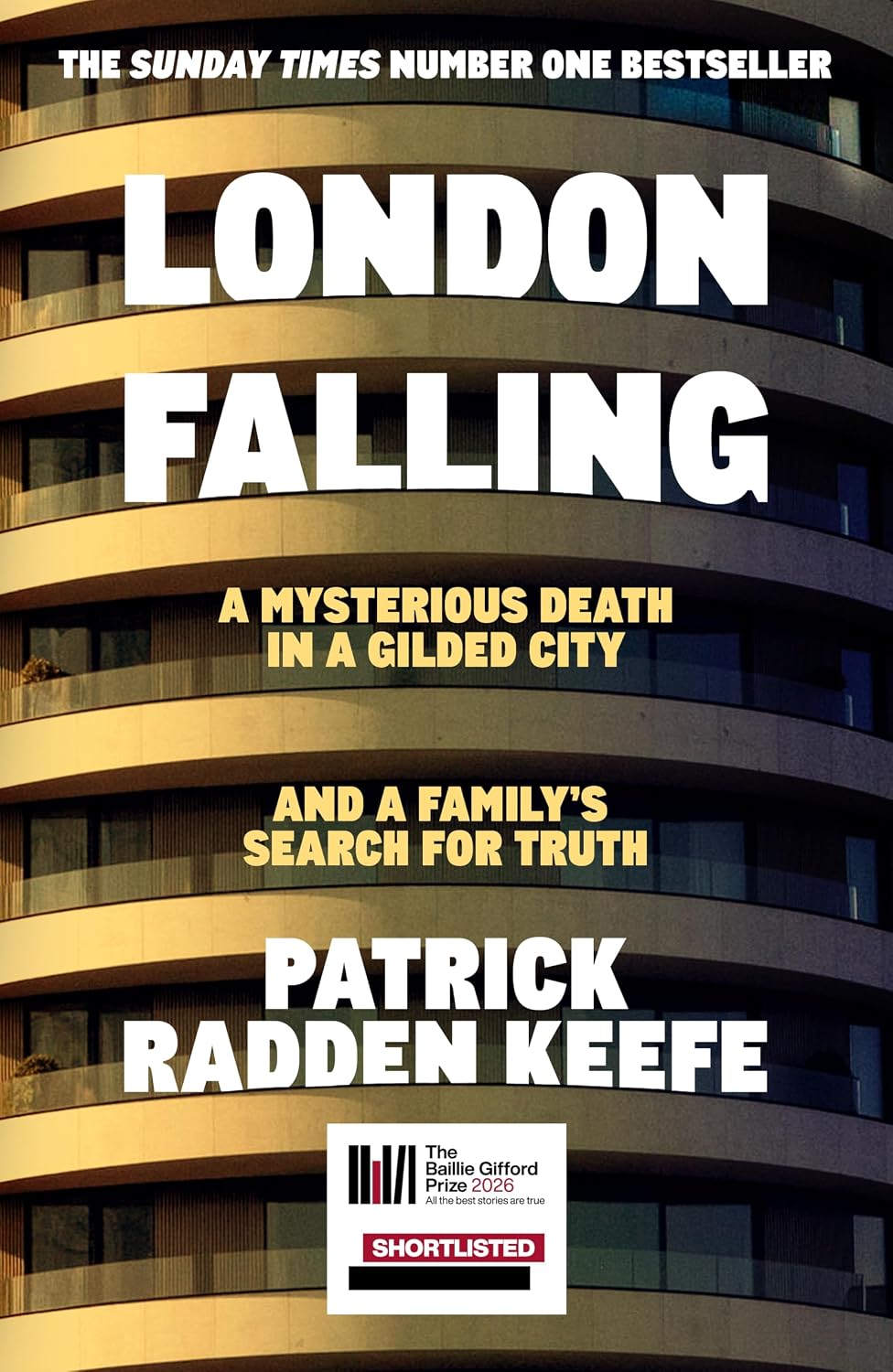
This is a meticulously told story by Keefe, who’s astonishing book on the Sackler family and OxyContin, Empire of Pain, I’d previously read. The story is told to us, in the order that his father and mother were to understand things. The bare bones are that Zac had been sometimes staying with a friend in a luxurious Thameside complex opposite the MI6 building. But security footage would later show him jumping from a balcony to his death in the river below. Zac had clearly got mixed up in something, and it’s that thread that Keefe pulls over the course of this book.
We get diversions into the history of many characters, including an Indian family expelled in 1972 by Idi Amin from Uganda, and London’s underworld of crooks dating back to the Brinks Matt bullion robbery in 1983. This is the story of modern London told through the lens of one man’s death. From Middle Eastern money to Russian oligarchs, it’s all there.
This is a page-turning book, and Zac’s family are central to us understanding it all. I can’t recommend this book highly enough.
M John Harrison is a fascinating writer. Now 81, his writing has moved around all over the place. I read Light many years ago, and that is a remarkable SF book. But so too is Climbers which couldn’t be further from Light in that it explores those who are obsessed by climbing rocks. I’ve also heard very good things about his “anti-memoir” Wish I Was Here which I picked up a few months ago in a remainder bookshop but have yet to read. His blog is also worth keeping an eye on.
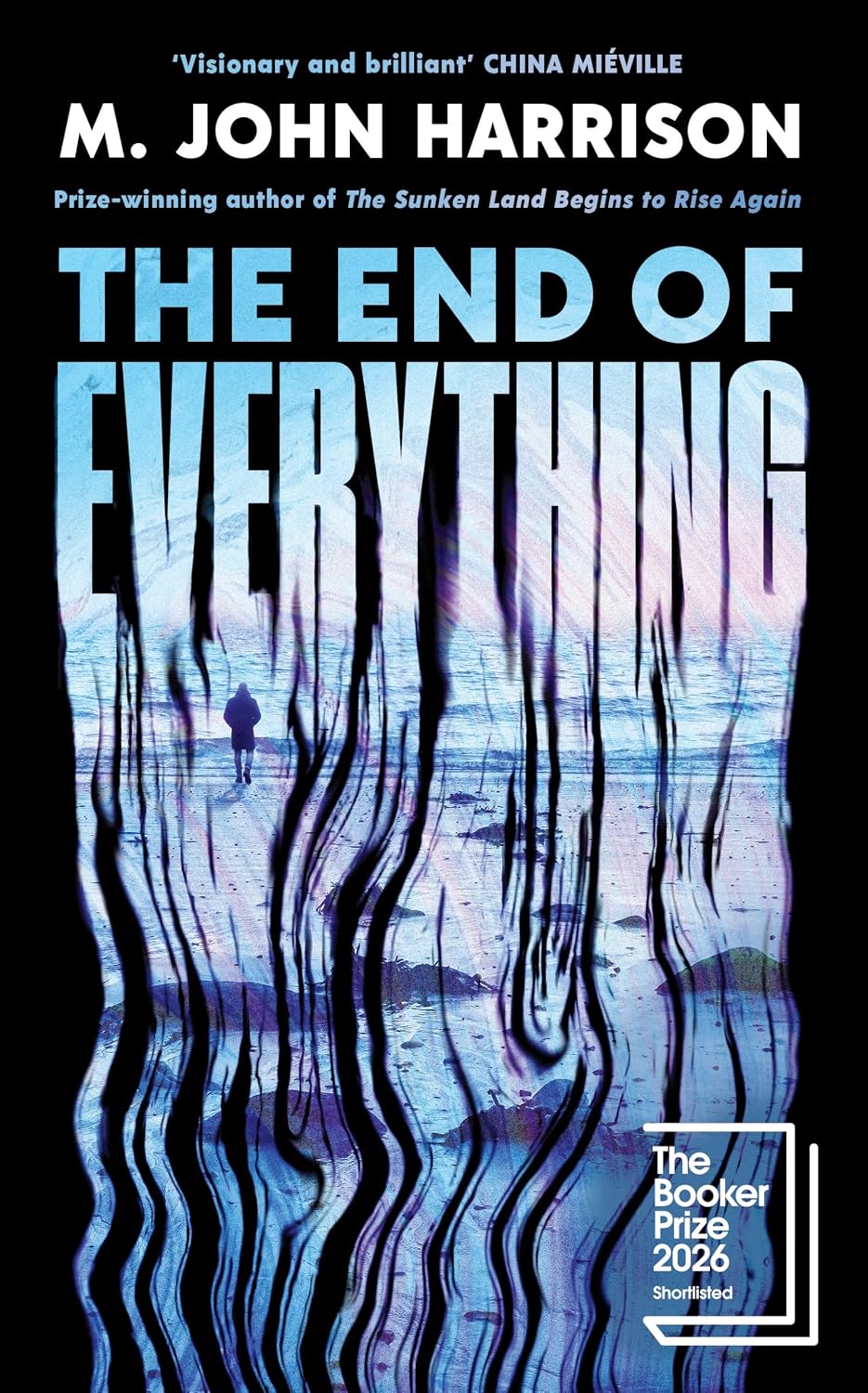
Now comes The End of Everything which has just won the Booker Prize! It’s squarely SF (although literary snobs tend to avoid calling it SF — it most certainly is), and is set is a post-apocalyptic Kent where Philip makes ends meet by finding salvage that wash up along the coast. He finds something that is called The Artefact which is a being of some description. Also key the plot is Marnie, Philip’s aunt who is seemingly suffering from dementia.
The background to all this is presence of the iGhetti who have somehow arrived through another plane, and taken hold in London. That’s led to a societal breakdown, and many are fleeing the country as a consequence.
There are allusions to all kinds of contemporary issues, from Brexit to small boats. It’s a short book, but it packs a punch.
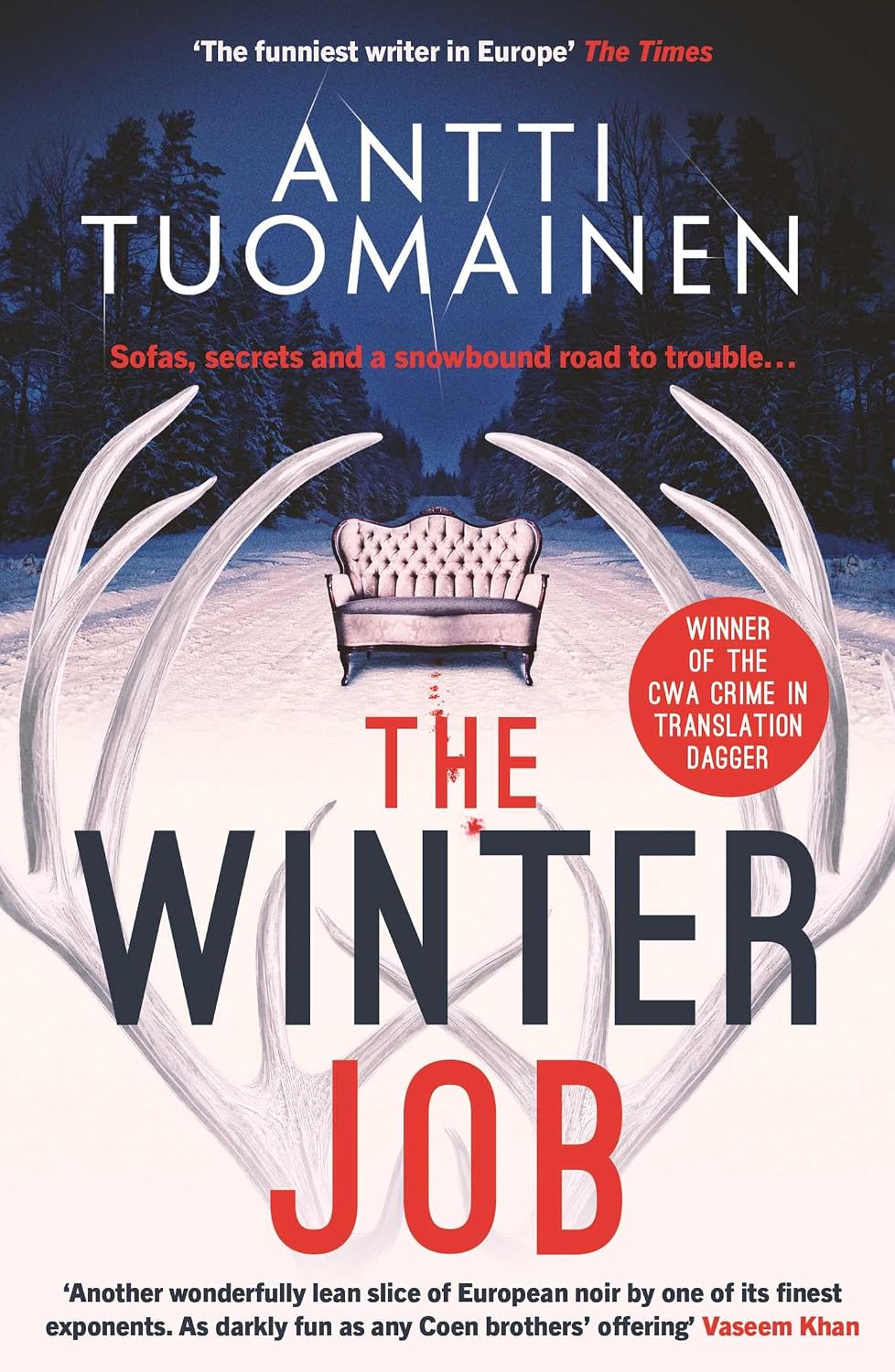
The Winter Job is the first book by Finnish writer Antti Tuomainan that I’ve read, but based on this, it won’t be the last. It’s a slight novel set in the lead-up to Christmas 1982. Ilmari is down on his luck. He’s a postal worker who has separated from his partner and wants to give his daughter a piano for Christmas.
To fund this purchase, he’s taken on a seemingly inconsequential job of driving a valuable sofa from Helsinki to the north of Finland. He has been given a dodgy van and a bit of petrol money, with the promise of significant funds when he reaches his location. He’s going to take a slightly roundabout route to get there to visit a couple of people along the way. But first he needs to get the windscreen wipers of this van fixed. He runs into an old friend who offers to help repair the wipers in exchange for a lift. And so they head north.
But they’re not alone. At least two other vehicles are also somehow interested in this sofa.
This book is riotously funny. It reads like a Scandinavian Carl Hiaasen book, and that’s high praise from me. We cut between the main protagonists who include some Communists and a friendless thug who’s just looking for companionship.
Great fun.
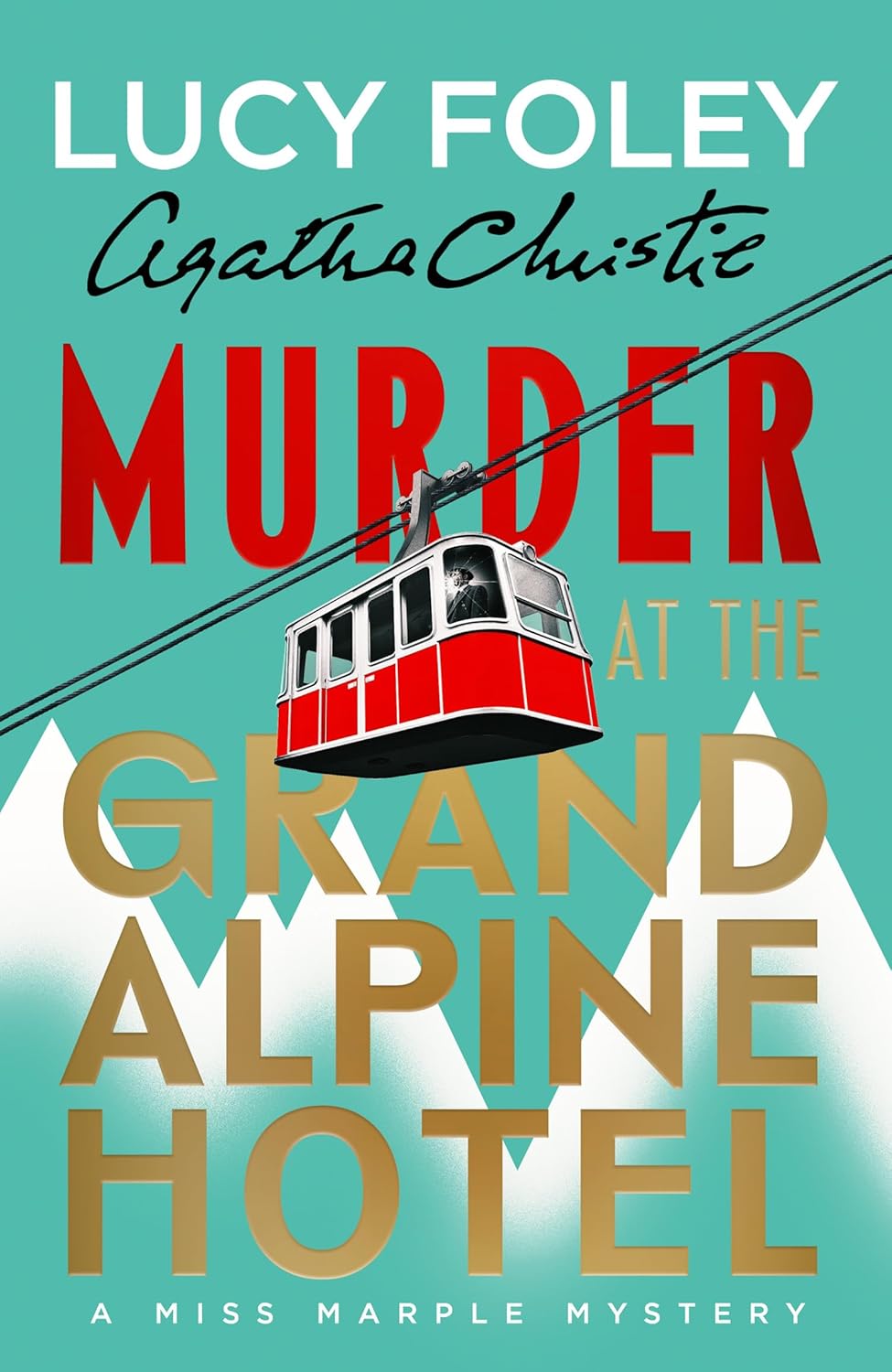
I’ve read a couple of Lucy Foley’s whodunnits in the past — The Hunting Party and The Guest List. Both are set in remote locations with a limited cast of characters, each told with panache and very satisfyingly. Now Foley has been afforded the right by the Agatha Christie Estate to pen a new Miss Marple novel.
In Murder at the Grand Alpine Hotel we find Miss Marple and a couple of travelling companions staying at sumptuous hotel in a Swiss ski resort alongside a suitably interesting group of characters including a future political party leader, his wife, a glamourous Hollywood actress and assorted others.
As usual with Foley’s novels, the narrative is told from the perspective of a handful of the key characters. And of course, they may not be conveying all the information that we might like at any point.
Interestingly, Miss Marple is not one of the characters we get the perspective from, but she is always around, and of course her rationale is listening and watching closely to make her deductions.
The hotel gets helpfully snowbound at a certain point which means the murderer can’t escape, and Foley weaves an interesting tale in this 50s set novel high in the mountains.
It won’t detain you, but it’s fun to read nevertheless.


Leave a Reply